
The Ultimate Guide to Event Lighting: Types, Purposes, and Benefits
Lighting plays a pivotal role in shaping the atmosphere and overall success of any event. From setting the mood to highlighting key features, the right lighting can transform a space into a captivating experience. In this guide, we explore the most common types of event lighting and how they enhance events, ensuring you create unforgettable experiences.
Ambient Lighting: Setting the Foundation
Ambient lighting serves as the primary light source in any event space. It sets the overall mood and tone, creating a warm and welcoming atmosphere for your guests. This soft, diffused lighting ensures visibility while maintaining a comfortable environment. Whether it’s a corporate gala or a wedding reception, ambient lighting is essential to establish the right ambiance.
Accent Lighting: Highlighting Key Features
Accent lighting is used to draw attention to specific areas or features within the event space. It’s perfect for emphasizing artwork, centerpieces, or architectural details. With its focused and directional beams, accent lighting adds depth and sophistication to your event design, ensuring every detail shines.
Uplighting: Adding Drama and Elegance
Uplighting is a versatile form of accent lighting that illuminates walls, pillars, or other vertical surfaces. By placing lights at floor level and aiming them upward, you can create stunning visual effects that enhance the venue’s architecture. Uplighting is especially popular for weddings, corporate events, and gala dinners, adding a dramatic flair to any setting.
Pin Spotting: Creating Focal Points
Pin spotting uses narrow beams of light to highlight specific objects, such as floral arrangements, wedding cakes, or award trophies. This technique creates a spotlight effect that ensures these elements stand out in photographs and during the event. Pin spotting adds a touch of elegance and ensures the spotlight is on what matters most.
Dance Floor Lighting: Energising the Party
Dance floor lighting transforms your event into a high-energy celebration. Featuring moving lights, strobes, and color-changing effects synchronized with music, this type of lighting keeps guests engaged and energized. It’s ideal for weddings, corporate parties, and any event with a dance floor.
Stage Lighting: Spotlighting Performers
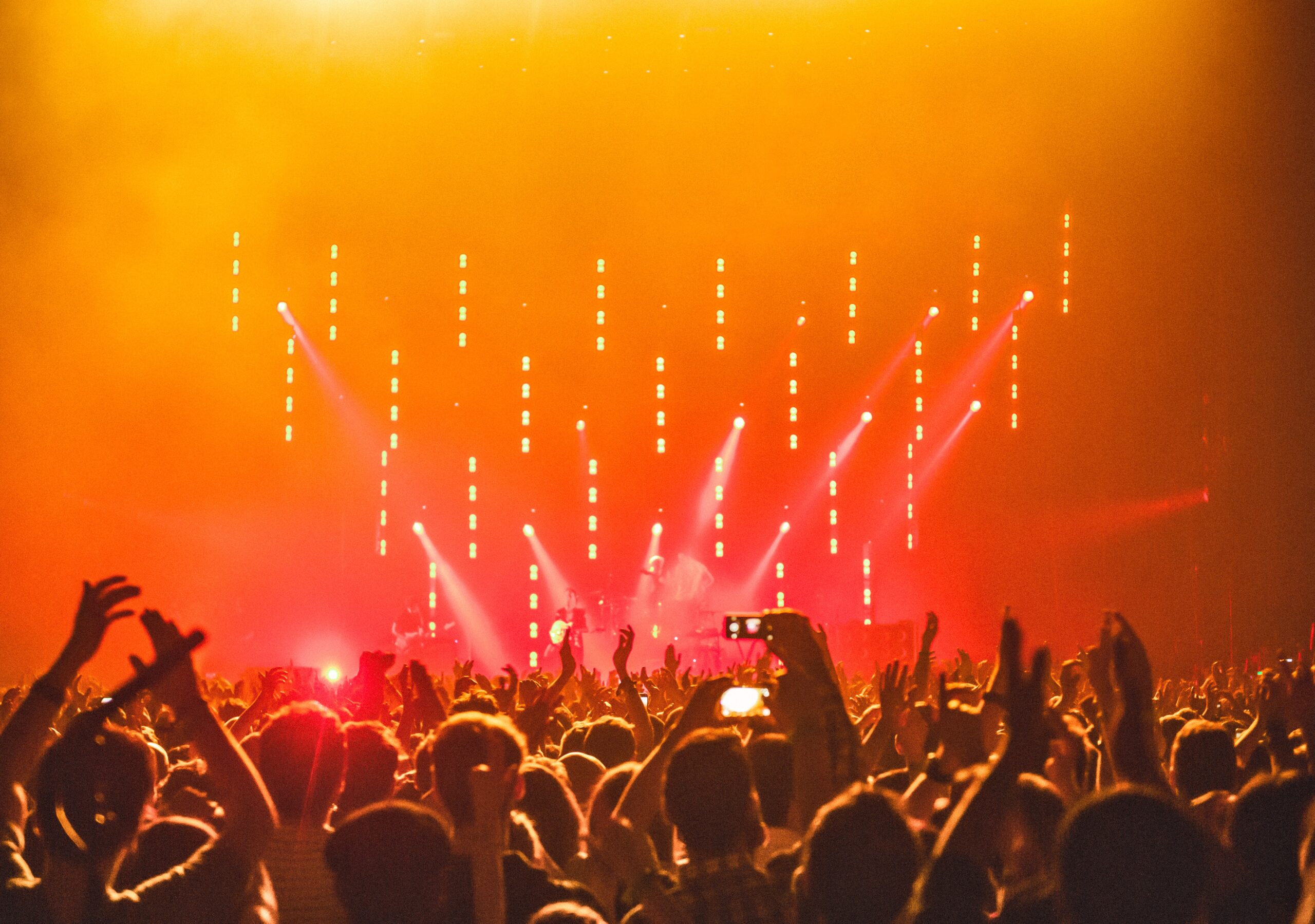
Stage lighting ensures performers, speakers, or entertainers are well-lit and visible to the audience. It typically includes spotlights, wash lights, and color effects to create a dynamic atmosphere. Whether it’s a concert, keynote speech, or theatrical performance, stage lighting enhances the experience for both the audience and the performers.
Gobo Lighting: Personalizing Your Event
Gobo lighting uses stencils or templates to project patterns, logos, or images onto surfaces such as walls or dance floors. This type of lighting is perfect for branding corporate events or adding a personalized touch to weddings and parties. Gobos allow you to creatively incorporate themes and designs, making your event truly unique.
Choosing the Right Lighting for Your Event
The type of lighting you choose depends on the purpose, venue, and desired atmosphere of your event. A professional lighting designer can help create a customized plan that balances functionality and aesthetics. By combining different types of lighting, you can achieve a layered and immersive effect that elevates your event to the next level.
Final Thoughts
Lighting is more than just a practical necessity; it’s a critical element of event design that impacts the mood, focus, and overall experience. By understanding and utilizing ambient lighting, accent lighting, uplighting, pin spotting, dance floor lighting, stage lighting, and gobo lighting, you can create unforgettable events that leave lasting impressions.
For expert advice and professional event lighting services, contact us today and let’s illuminate your vision!